Why Wild Swimming Is the Wellness Ritual People Didn't Know They Needed
There’s a quiet ritual happening at the edges of lakes, rivers, and sea shores. It doesn’t involve loud gym music or high-tech equipment. There are no mirrors. No metrics. Just cold, open water and the people stepping into it, searching for something they might not even have words for yet.
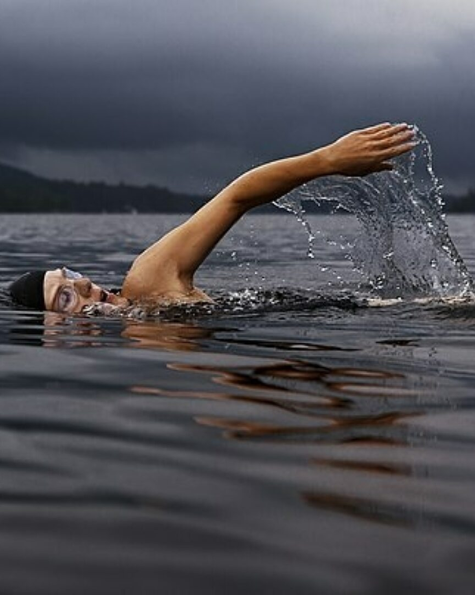
Wild swimming, also known as open water swimming, isn`t new. But its popularity is rising for a reason. At a time when so much of wellness feels over-filtered or out of reach, swimming in natural bodies of water feels like a return. It’s raw, sensory, and emotional. And for many, it’s changing not just how they move but how they feel.
The Rise of Wild Swimming
For a long time, wild swimming sat quietly on the fringe of fitness culture. Reserved for cold-water devotees, open-water triathletes, or the occasional vacation lake dip, it didn’t grab much attention. But in recent years, that’s changed.
Social media has brought wild swimmers into the spotlight, but not in the polished, aspirational way we see with traditional fitness content. Instead, it`s muddy, goosebumped, and beautifully honest. Wrapped in towels with red noses and grinning wide, these swimmers aren’t showing off, they’re tuning in.
The reasons people start vary: to shake off stress, to feel something again, to get out of their head, to connect with nature. But the reason they keep going? That runs deeper.
What Wild Swimming Actually Feels Like
If you`ve never tried it, swimming in open water can feel surreal. There`s no heated pool, no chlorine tang, and nothing artificial to cling to. Instead, you get the shock of cold, the taste of mineral-rich water, and the humbling awareness that you`re not in control but you`re okay.
Your breath shortens. Your skin tingles. Your thoughts slow down. And suddenly, everything you were worried about before stepping into the lake? It`s quiet now.
This full-body immersion is more than just physical. It’s nervous system recalibration, emotional release, and deep sensory grounding, all in one.
Why Cold, Natural Water Heals More Than You’d Expect
While it might look extreme, cold water immersion has long been linked to a wide range of benefits, many of which are now backed by science.
Mental health support
Studies show that cold water swimming can reduce symptoms of anxiety and depression. It’s not just the endorphin spike, it`s the focus it requires. You can`t worry about emails or self-doubt when you`re neck-deep in a cold river.
Nervous system regulation
The cold engages the parasympathetic nervous system. That’s your “rest and digest” mode. Regular wild swims can help your body recalibrate how it reacts to stress over time, promoting better sleep, reduced cortisol levels, and improved emotional regulation.
Body awareness and confidence
Unlike traditional gym environments, outdoor swimming fosters a less performative relationship with your body. You’re not there to look a certain way. You’re there to feel. And in that vulnerability, confidence grows.
What to Know Before You Dive In
Yes, outdoor swimming can be profoundly healing but it’s not without risk. Knowing how to stay safe matters, especially in cold or unfamiliar waters.
Start slowly
If you’re new to open water swimming, don’t dive in headfirst. Begin with short dips in accessible locations, ideally with a buddy nearby.
Know your location
Scout your spot ahead of time. Look for clear access, mild currents, and clean water. Avoid places with fast-moving water, unknown depths, or heavy boat traffic.
Dress smart
You don’t always need a wetsuit, but thermal swim gear can help. Neoprene gloves, socks, and caps preserve body heat, especially in colder seasons.
Don’t swim alone
Even experienced swimmers should follow this rule. Not only is it safer, it’s often more fun to share the shiver.
Why People Are Hooked on Wild Swimming
The benefits go far beyond the physical. For many, wild swimming becomes a ritual, something they return to not for results, but for relief.
A natural mood booster
Few things match the post-swim glow. Even just two minutes in cold, natural water can release a cocktail of endorphins, dopamine, and serotonin.
A break from hyperproductivity
There are no metrics here. No competition. No measuring success by distance or speed. This is movement as medicine, not measurement.
A deeper connection to nature
Whether it’s a river swim at sunrise or a salty dip in the ocean, there’s something ancient and intuitive about submerging your body in nature. It’s primal. It’s grounding. And it reminds you that you’re part of something bigger.
The Quiet Community Behind the Cold
What starts as a solo curiosity often turns into something more social. All over the world, wild swimming communities are forming, many grassroots, inclusive, and quietly revolutionary.
These aren’t exclusive clubs. They’re meetups of people from all walks of life, mothers, students, retirees, athletes, artists bonded not by performance, but by presence.
Wrapped in oversized robes and sipping tea by the water’s edge, there’s a camaraderie among cold-water swimmers that feels rare in wellness spaces. Here, everyone is welcome. No matter your age, body type, or ability.
What It Teaches You (That No Gym Ever Will)
Swimming in open water has a way of stripping things down, not just externally, but internally too.
It teaches you how to be with discomfort. How to stay in your body when it feels hard. How to trust your breath, your strength, and your instinct. It reminds you that joy can be found in the unglamorous. That healing doesn’t always look like stillness, it can look like goosebumps, laughter, and shaky-legged wades into water that takes your breath away.
Here’s How to Start
- Find a safe local spot: Lakes, rivers, or ocean coves with known swim zones are best. Apps like Wild Swim Map or local Facebook groups can help.
- Join a local group: Not only is it safer, it’s encouraging. Many outdoor swim groups welcome beginners and help you learn the ropes.
- Start in warmer seasons: Spring and summer are ideal intro points. From there, you can build cold tolerance slowly and safely.
- Listen to your body: If it’s too cold, too scary, or too uncomfortable, stop. Wild swimming should challenge you, but never punish you.
Wild swimming is about letting nature meet you as you are. It’s about remembering that your body, your emotions, your presence, all belong. So the next time life feels heavy, and your usual coping tools aren’t cutting it, consider the water. It might be colder than you expect. It might shock you. But it might also bring you back to yourself, quietly, powerfully, and fully alive.
Follow Stravageek for fitness rituals and everything in between.
Related Blogs

Frishay Review 2024: The Ultimate Lifestyle & Home Upgrade Store
Explore our detailed Frishay review for 2024. Discover trending home essentials, clever lifestyle gadgets, and expert tips for a seamless online shopping experience.
See More
How the Woojer Strap 4 Made Me Feel Like I Was in the Movie
Watching a movie is usually all about what you see and hear, but what if you could feel every moment? That`s exactly what the Woojer Strap 4 promises. After trying it during a movie night, you will discover how wearable haptic technology can make every scene feel far more immersive than traditional audio alone.
See More
Doggie Playpens From FXW That Make Everyday Dog Life Feel Easier
A good playpen gives your dog room to relax while giving you fewer reasons to hover.
See More
The Growing Popularity of Strawberry HHC Flower
Strawberry HHC Flower has become a popular choice among hemp enthusiasts thanks to its sweet, fruity aroma and premium-quality buds. Whether you're new to HHC or simply want to learn more, understanding its features and flavor can help you make a better choice.
See More
How to Be a Smart Parent in the Digital Age
Parenting today comes with unique challenges as children grow up surrounded by screens, social media, and digital devices. Discover practical tips to help your kids build healthy technology habits while staying safe, balanced, and connected in the digital age.
See More
Best Massaging Desk Chair Picks for Comfort During Long Work Hours
Workdays that stretch on usually bring back pain, shoulder tightness, and constant discomfort. A massaging desk chair helps relieve that pressure so you can stay relaxed and more productive without constantly shifting in your seat.
See More
Everything You Need for a Coffee Shop Experience in Your Own Kitchen
Skip the lines and enjoy premium coffee from the comfort of your home. Learn how to recreate the atmosphere, quality, and experience of your favorite cafe while elevating your daily coffee ritual.
See More
How a Dog Playpen Gave Me Peace of Mind (and Kept My Dog Safe Every Day)
Discover how the FXW Dog Playpen helped keep my dog safe, happy, and entertained while I worked, making everyday life less stressful for both of us.
See MoreRecent Blogs