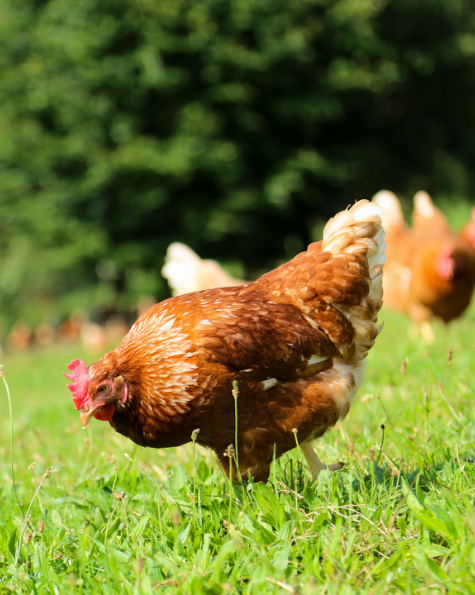
Why Keeping Chickens Might Be the Mental Health Hack You Didn’t See Coming
At first glance, keeping hens might seem like something reserved for hobby farmers or countryside dreamers. But take a walk through certain urban neighborhoods or peek into the backyards of wellness-minded folks, and you’ll start seeing a quiet trend, backyard chickens. Not for novelty. Not even just for fresh eggs. But for something more human which is calm, connection, and a return to care that actually feels like care.
In an age where everything is optimized, digitized, and delivered, tending to chickens is beautifully analog. And surprisingly? It`s good for your mind, your budget, and your soul.
The Quiet Joy of Chicken-Keeping
There’s a soft rhythm that comes with having hens in your yard. You wake up, check the coop, scatter some feed. Maybe you collect a warm egg or two. Maybe you just sit for a moment, watching them scratch at the soil, chattering like old friends. This is where the mental health magic begins.
Tending chickens offers built-in mindfulness. It`s tactile, sensory, and present. There’s the rustle of feathers, the low hum of clucks, the earthy smell of hay and sun-warmed wood. For many, it becomes a grounding ritual, especially in chaotic times.
Unlike dogs or cats, urban chickens are low-maintenance companions. They don’t require walks or vet bills or clingy attention. But they show up in their own steady way. And for many, that’s exactly what’s needed.
Mental Health Benefits With Research to Back It
Animal-assisted activities have long been associated with improved mental well-being. But chickens bring a unique calm. They’re slow-moving, non-aggressive, and oddly hypnotic to watch. For people navigating stress, anxiety, or burnout, they offer a soothing counterbalance.
Studies show that regular interaction with animals, yes, even poultry, reduces cortisol levels and supports nervous system regulation. Add to that the daily structure of feeding, checking, and caring, and you have a small, reliable rhythm that gently holds space for mental clarity. And let’s not overlook the emotional win of collecting a still-warm egg, knowing exactly where it came from. It’s small. But it’s intimate. And in a culture of disconnection, it matters.
Sustainability Meets Affordability
Beyond wellness, backyard chicken ownership is a quietly savvy financial move. Once set up, hens provide eggs at a fraction of the grocery store cost and without the plastic, the transport, or the mystery sourcing.
Depending on the breed, a hen can lay about five eggs per week, meaning a small flock of three or four could meet your weekly needs with extras to share. Curious about production? A quick glance at “how much eggs do chickens lay” shows reliable layers like Rhode Island Reds, Australorps, or Leghorns delivering strong yields with low fuss.
Chickens also eat food scraps, cutting down waste. Their droppings compost beautifully, feeding gardens and plants. It’s a small ecosystem and a surprisingly efficient one. Startup costs can vary (coop, feed, gear), but many city dwellers opt for DIY builds, reclaimed materials, or shared setups. Over time, it often balances out or even saves money, especially with rising egg prices.
Yes, You Can Raise Chickens in the City
The idea of keeping hens in a small backyard might feel impossible, but in most urban and suburban areas, it’s not only allowed but encouraged. Many cities now have ordinances permitting small flocks (typically 3–6 hens) with minimal restrictions. No roosters required, so no early wake-up calls or angry neighbors.
The best chicken for backyard setups are breeds known for being quiet, friendly, and prolific egg layers. Consider Barred Rocks, Buff Orpingtons, or Silkies if you’re working with limited space and noise sensitivity. Concerned about smell or mess? When maintained well, a backyard coop is far cleaner than people expect. Pine shavings or straw make cleanup easy, and many chicken supplies are now tailored for urban keepers, compact, odor-neutral, and designed for daily ease.
A Slower Way to Reconnect with Nature and Yourself
Part of the beauty of keeping hens is how it pulls you back into natural rhythms. You begin to notice the way light changes through the seasons. You get outside even on days you’d rather not. You care, not because an app reminded you but because your chickens depend on you. Raising chickens for eggs becomes something more than just a practical act. It becomes a relationship. With the land, the food you eat, and the very concept of care.
That’s powerful stuff, especially for those feeling overwhelmed by digital burnout or modern disconnection.
Finding Community in Chicken-Keeping
It may start solo, but chicken-keeping often ends up as a shared experience. Flocks spark conversation at farmer’s markets, on walks, even online. Neighbors get curious. Kids get involved. Friends ask for eggs or want to meet “the girls.” In many cities, urban chickens are driving unexpected communities. Seed swaps, coop-building groups, even micro-collectives that rotate flock care while people travel. There’s something deeply comforting about building a lifestyle around shared sustenance, where generosity and resourcefulness replace competition.
Getting Started Without Overthinking It
If you’re wondering how do I raise chickens for eggs, know this: it doesn’t have to be complicated. Here’s the gentle version of what you need:
- A coop: Big enough to give each bird about 3–4 square feet, with a nesting box and perch.
- Bedding: Pine shavings, straw, or sand easy to clean and compost.
- Feed and water: Layer pellets and a clean water source. Bonus: kitchen scraps!
- Fencing: To keep them safe from predators and contained.
Local feed stores or co-ops often carry starter kits. And online forums are full of advice from keepers who’ve been exactly where you are.
There’s something quietly radical about slowing down enough to tend to a few birds. In that act, you build more than just a breakfast routine, you build connection. To food. To nature. To rhythms outside the nine-to-five. So if your idea of self-care is starting to feel a little stale, consider this: maybe it’s not another app or planner you need. Maybe it’s a hen. Or three.
Follow Stravageek for more Outdoors and Sports content.
Related Blogs

Frishay Review 2024: The Ultimate Lifestyle & Home Upgrade Store
Explore our detailed Frishay review for 2024. Discover trending home essentials, clever lifestyle gadgets, and expert tips for a seamless online shopping experience.
See More
How the Woojer Strap 4 Made Me Feel Like I Was in the Movie
Watching a movie is usually all about what you see and hear, but what if you could feel every moment? That`s exactly what the Woojer Strap 4 promises. After trying it during a movie night, you will discover how wearable haptic technology can make every scene feel far more immersive than traditional audio alone.
See More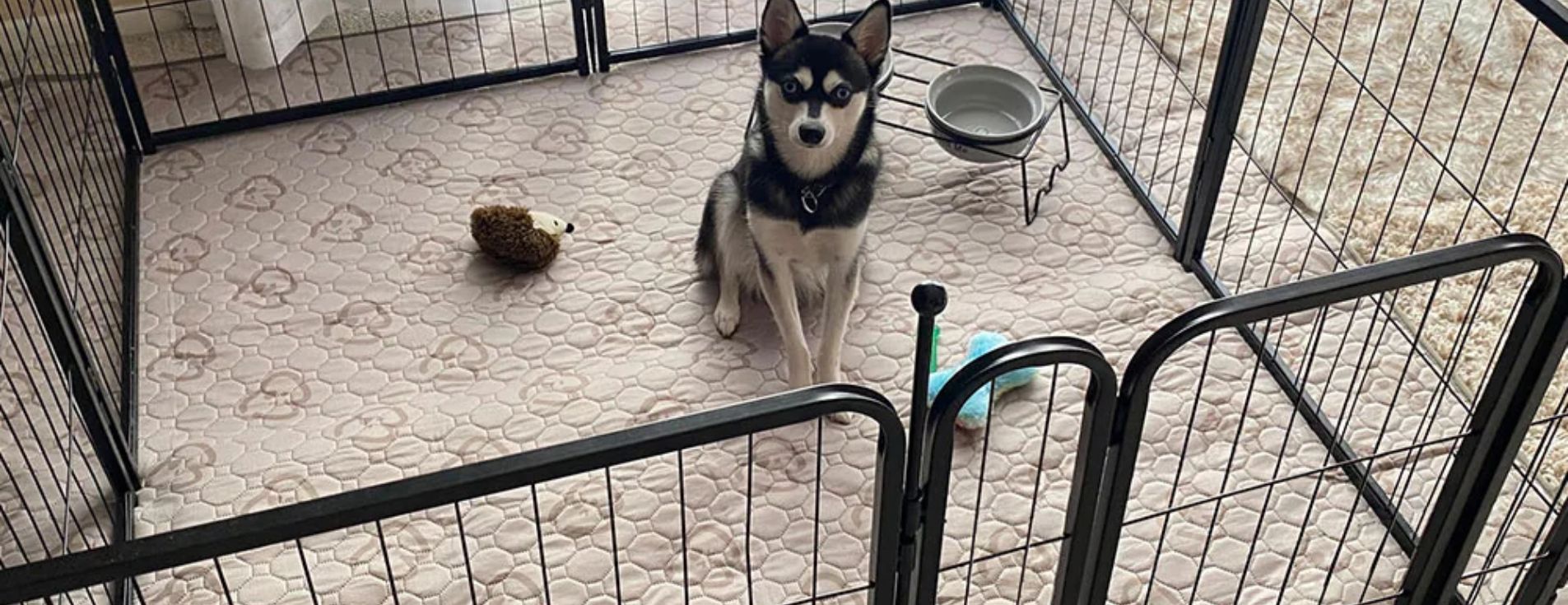
Doggie Playpens From FXW That Make Everyday Dog Life Feel Easier
A good playpen gives your dog room to relax while giving you fewer reasons to hover.
See More
The Growing Popularity of Strawberry HHC Flower
Strawberry HHC Flower has become a popular choice among hemp enthusiasts thanks to its sweet, fruity aroma and premium-quality buds. Whether you're new to HHC or simply want to learn more, understanding its features and flavor can help you make a better choice.
See More
How to Be a Smart Parent in the Digital Age
Parenting today comes with unique challenges as children grow up surrounded by screens, social media, and digital devices. Discover practical tips to help your kids build healthy technology habits while staying safe, balanced, and connected in the digital age.
See More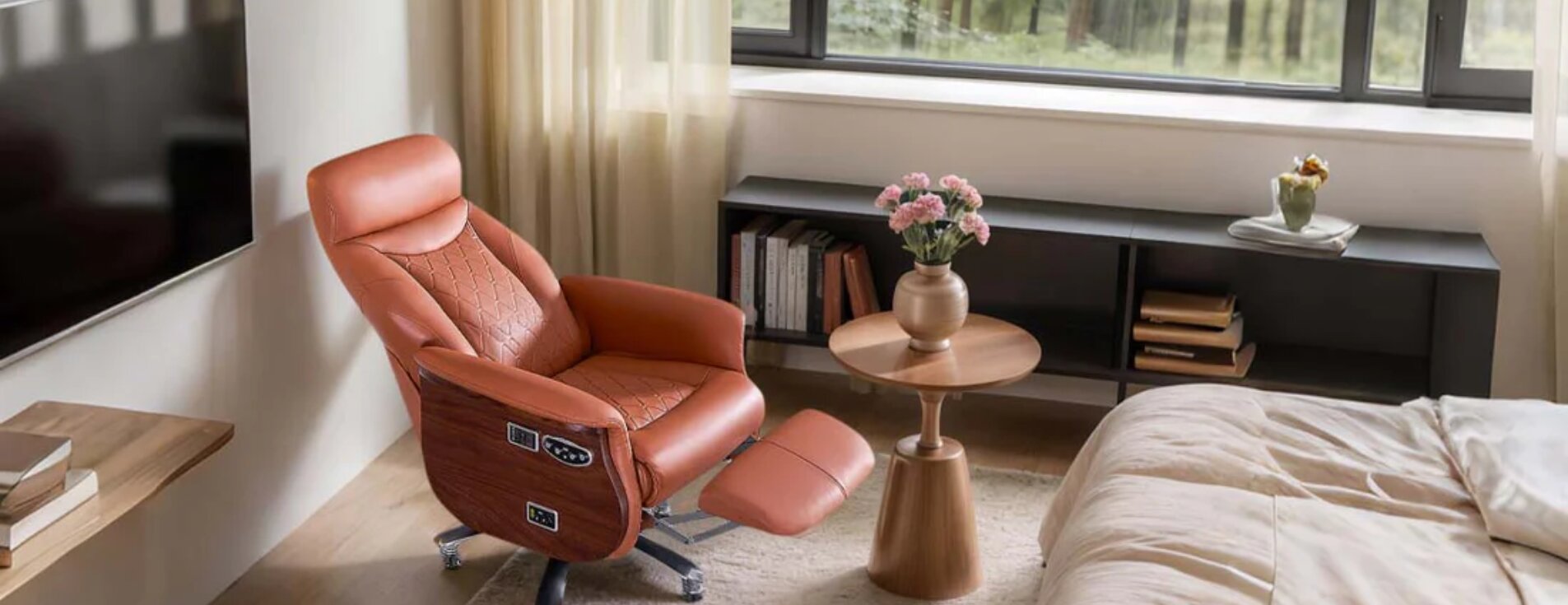
Best Massaging Desk Chair Picks for Comfort During Long Work Hours
Workdays that stretch on usually bring back pain, shoulder tightness, and constant discomfort. A massaging desk chair helps relieve that pressure so you can stay relaxed and more productive without constantly shifting in your seat.
See More
Everything You Need for a Coffee Shop Experience in Your Own Kitchen
Skip the lines and enjoy premium coffee from the comfort of your home. Learn how to recreate the atmosphere, quality, and experience of your favorite cafe while elevating your daily coffee ritual.
See More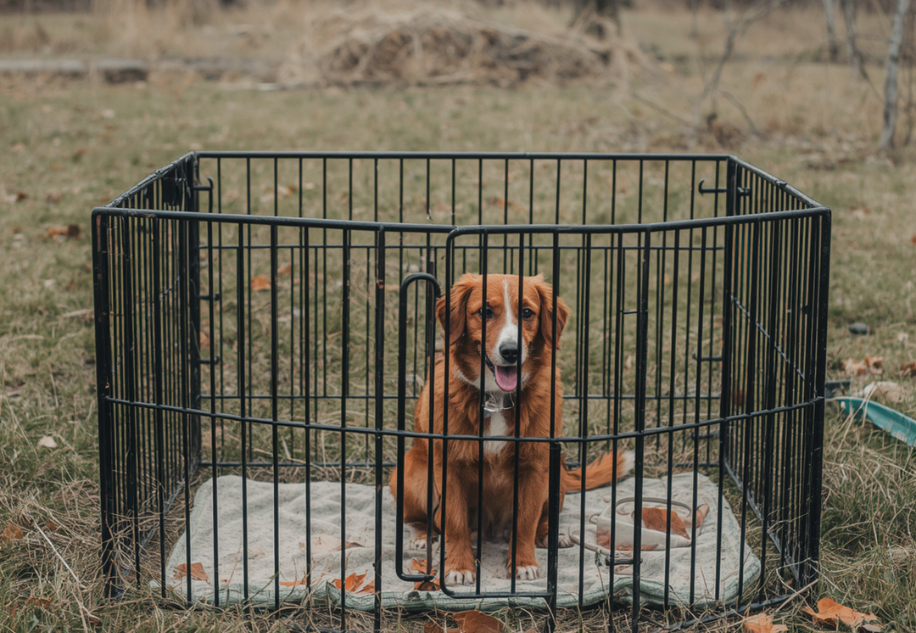
How a Dog Playpen Gave Me Peace of Mind (and Kept My Dog Safe Every Day)
Discover how the FXW Dog Playpen helped keep my dog safe, happy, and entertained while I worked, making everyday life less stressful for both of us.
See MoreRecent Blogs