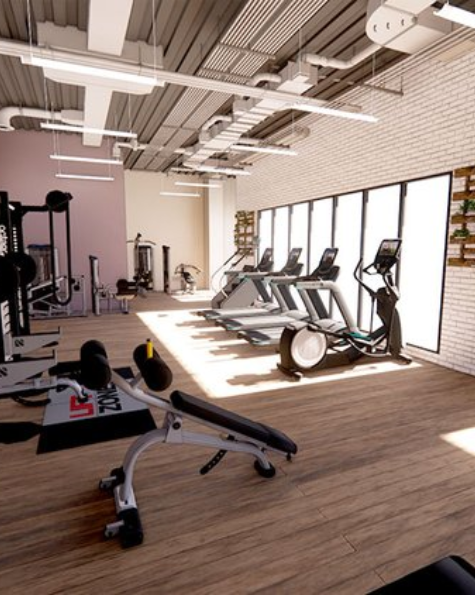
The Real Reason Gym Design Needs to Change for Everyone to Feel Welcome
It doesn’t take much to throw off someone’s desire to move. Harsh lighting, crowds around the weight racks, the hush that follows a dropped dumbbell. These aren’t just minor annoyances, they’re part of why many people hesitate to even walk through a gym’s front door. Gym anxiety and gymtimidation are real. The way a gym is built can signal who’s welcome and who should brace themselves.
Fitness spaces have long been designed to maximize equipment, not comfort. But now, a shift is happening. More gyms are beginning to rethink their environments, making room not just for bodies in motion, but for people in progress.
Why Gymtimidation Isn`t Just in Your Head

If you`ve ever walked into a gym and instantly felt the need to shrink, you`re not alone. Mirrors on every wall, unfamiliar machines, and that lingering feeling of being watched, it’s a perfect recipe for anxiety at the gym. While gyms are supposed to be motivating, many actually feel performative. The fear of judgment or simply not knowing what to do makes people second-guess showing up at all.
This anxiety doesn’t fade with gear or a well-packed gym bag. It builds when the layout offers no privacy, when spaces are overly masculine or hyper-polished, when signage assumes everyone is already confident. And the result? People ghost the gym not from laziness, but from discomfort.
What We Know About the Psychology of Fitness Spaces

The design of a space affects how people behave in it. In fitness, this matters even more. For someone navigating gym anxiety, everything from the lighting to the flow of equipment plays a role in how safe or overwhelmed they feel.
Studies have shown that natural lighting can lower stress hormones, while crowded or poorly planned layouts increase tension. When equipment is packed close together, or there’s no clear place to rest or regroup, users experience a spike in cortisol, the stress hormone that can actually make workouts feel harder. But when gyms are laid out with rest areas, stretching corners, and intuitive wayfinding, it softens the edges of anxiety. It signals: stay as long as you like. You’re welcome here.
The Shift Toward More Inclusive Gym Design

The industry is beginning to wake up. More fitness centers are choosing aesthetics and architecture that make space feel less intimidating. Some have moved away from wall-to-wall mirrors, opting instead for warmer materials, more private zones, and open-air flow that mimics wellness studios over industrial warehouses.
Gyms are adding beginner-friendly signage that explains machines clearly. Some offer orientation sessions or zones designated for newer members. Gender-neutral locker rooms, accessible bathrooms, and gender-expansive programming are becoming part of what makes a gym modern, not just trendy.
How This Impacts Beginners
For those learning how to start going to the gym alone, this shift can make all the difference. A layout that encourages privacy in warm-up zones or entry points that don’t dump you directly in front of rows of ellipticals can ease nerves. Lighting that flatters rather than exposes, soundscapes that calm rather than hype, and staff trained to approach rather than judge all send the same message: you’re okay here.
These changes aren’t bells and whistles. They’re blueprints for trust. And trust is the foundation that supports consistency.
Examples of Gyms That Got It Right
Certain brands and boutique gyms have already taken bold steps. Some have removed mirrors from entire studio rooms to reduce comparison. Others have added sensory-friendly hours, no music, dimmed lights, fewer people. These aren`t features, they`re signals of belonging.
Spaces like these have reported better retention among first-time members and more organic community building. People are drawn to spaces where they’re seen and respected. That starts with good design, not expensive machines.
Accessibility Is the Baseline
For people with mobility challenges, chronic illness, or neurodivergent needs, gym intimidation takes on extra weight. Design must account for varied sensory needs, less fluorescent glare, clearer signs, adjustable equipment. Creating inclusive gyms doesn’t mean adding a ramp and calling it a day. It means designing from the start with different bodies and minds in mind.
When someone enters a gym and doesn’t have to ask for accommodation, it’s powerful. It means they’re finally in a space that thought of them first.
Advocating for Better Design as a Gym User
You don’t need to be a designer to ask for change. If your gym layout triggers anxiety and fitness avoidance, speak up. Ask for quiet hours. Suggest more privacy options. Recommend more inclusive programming or signage that doesn’t assume everyone’s already an athlete.
Gyms that listen grow stronger communities. The courage to advocate isn’t just for yourself, it’s for everyone who might feel just as overwhelmed but doesn’t yet have the words.
The Cultural Roots of Gym Layouts

Traditional gyms modeled themselves after militarized training centers and body-building temples. The emphasis? Max output, high volume, peak performance. But today, movement looks different. It’s about presence over power, sustainability over aesthetics.
We don’t move for punishment anymore, we move for clarity, community, and care. The physical space must reflect that evolution. Without it, fitness will stay locked behind fear.
What a Safe Gym Actually Looks Like
Imagine walking into a gym that smells fresh not sterile. Where lighting feels like daylight and the music volume doesn’t demand earplugs. There are signs welcoming all bodies, staff who greet you casually, not sizing you up. The stretch area isn’t wedged between the trash cans and the lockers. The machines are easy to figure out. There’s room to breathe, think, adjust. That’s not luxury, that’s the baseline.
When the Gym Becomes a Place to Heal
When people say they’re scared to go to the gym, they’re rarely afraid of the workout. They’re afraid of being exposed. Of not knowing what to do. Of standing out in the wrong way.
A well-designed gym reduces that fear. It quiets the mental chatter. It lets the body take the lead. Over time, those repeated experiences build something deeper than strength. They build belonging. And from there, fitness becomes sustainable.
It’s easy to chalk gymtimidation up to insecurity. But the truth is, our environments shape our emotions. When a space is loud, cramped, cold, and confusing, people don’t return. When a space feels warm, clear, calm, and welcoming, they do. The future of fitness isn’t about smarter machines or fancier memberships. It’s about emotional safety. About designing gyms that understand that showing up is the hardest part and making it feel a little easier.
For more on sports and fitness, follow Stravageek.
Related Blogs
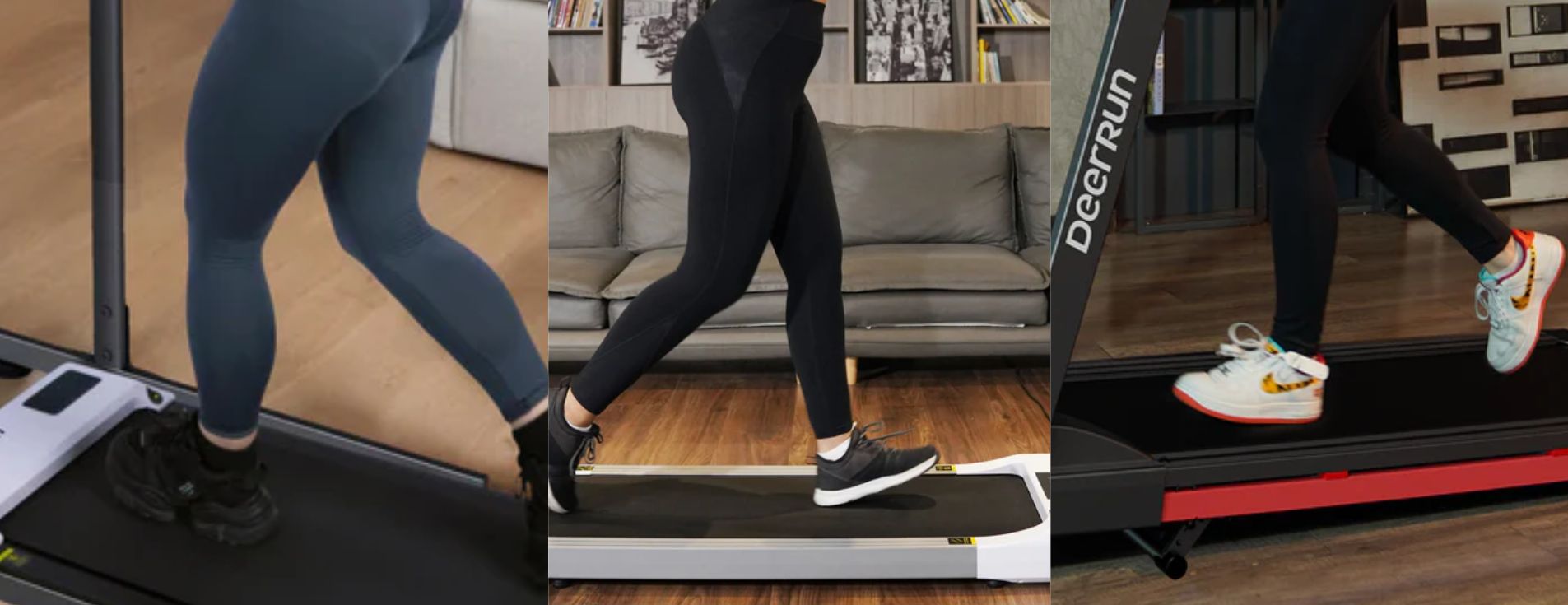
Are DeerRun Walking Pads Worth Buying in 2026?
Walking pads have quickly become one of the most popular fitness solutions for people who want to stay active without leaving their homes. Among the many brands available today, DeerRun has gained attention for its affordable prices, compact designs, and user-friendly features.
See More
How the ASN Advanced Sports Nutrition Strength Bundle Can Support Your Training Goals
The ASN Strength Bundle is built to support strength, performance, and recovery, helping you get more from every training session. Ideal for athletes aiming to push harder and recover faster.
See More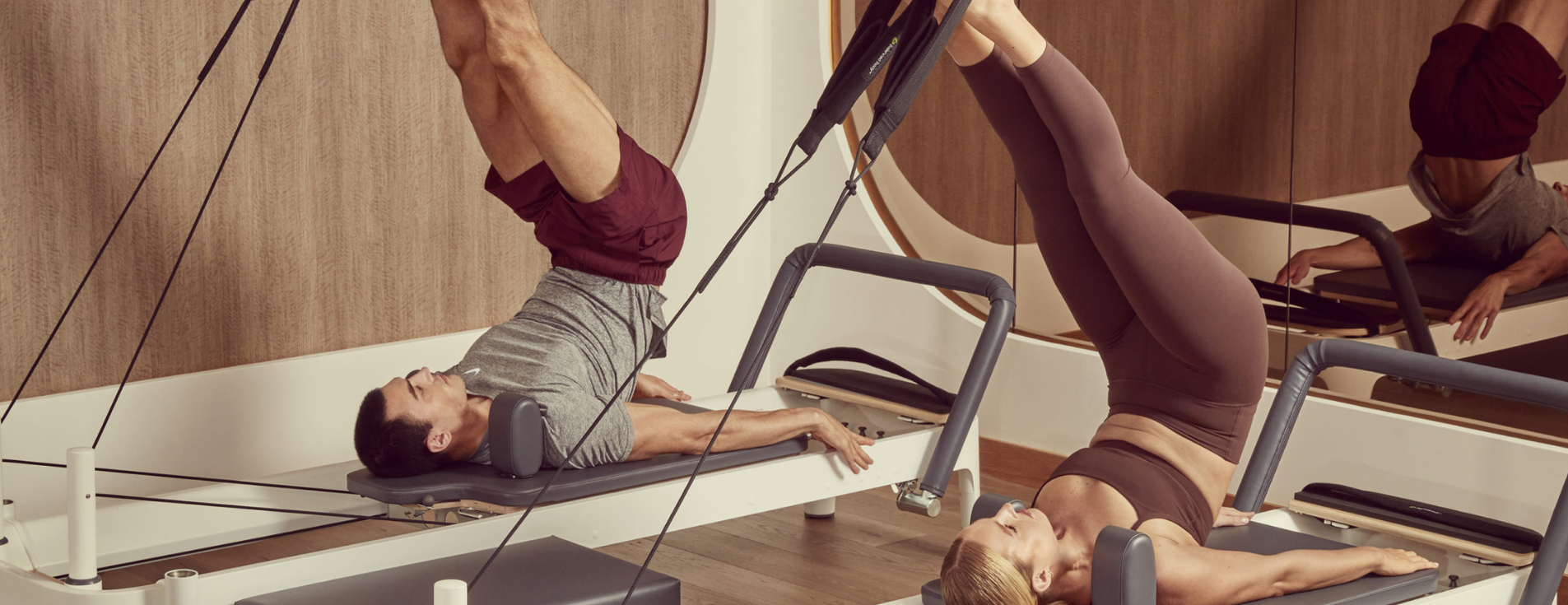
Best Home Workout for Busy Women With No Time for the Gym
Staying fit doesn’t have to mean hours at the gym. If your day is packed with work, chores, or family, the 28-Day Pilates Challenge is the perfect way to exercise at home. All in just 15 minutes a day.
See More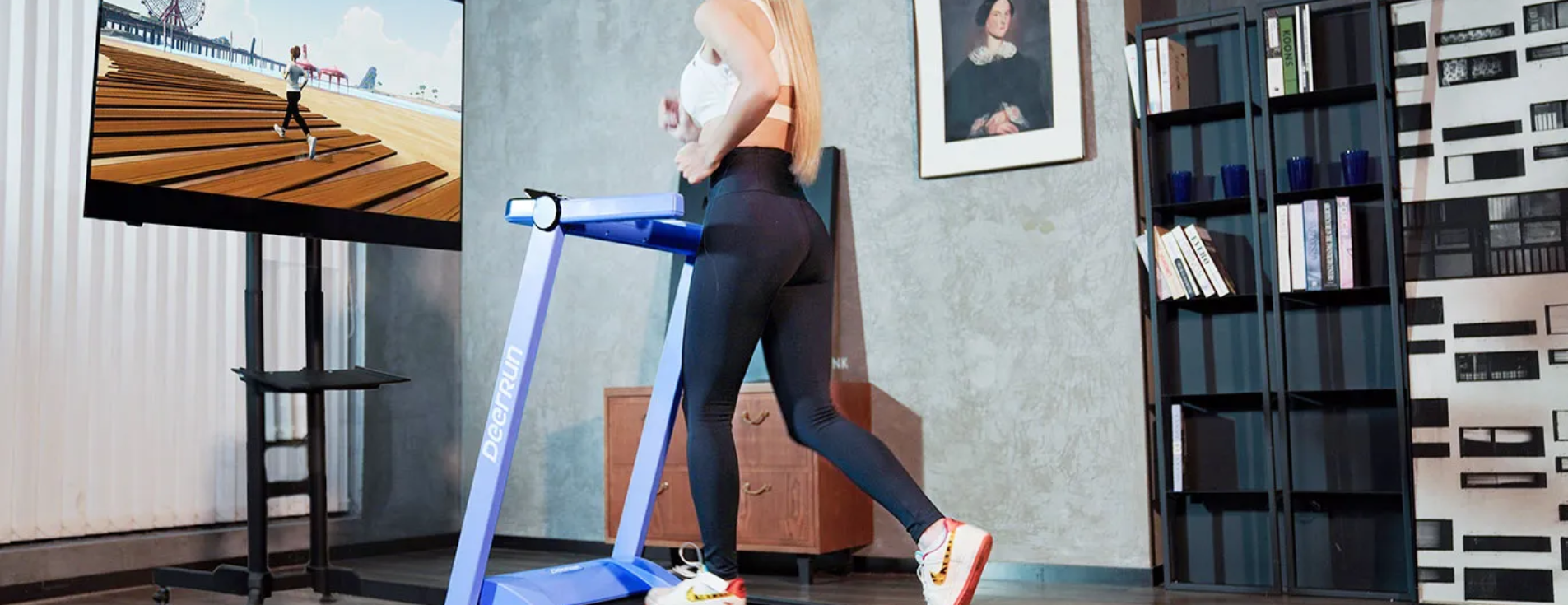
Stay Fit at Home With DeerRun Treadmills
Running is one of the best things you can do for your body and soul. But getting to the gym or heading to the park isn’t always easy. That is why DeerRun treadmills are here to make your home workout as effective as a gym with more convenience.
See More
These Football Shirts from Unisportstore Deserve a Spot in Your Rotation
From bold colors to iconic prints, these football shirts from Unisportstore offer both performance and personality.
See More
Why Foraging Is the Most Unexpected Outdoor Fitness Trend
Blending outdoor adventure with functional fitness, foraging helps people move with purpose and eat what they find.
See More
What Trail Running Does for Your Brain That Treadmills Never Could
Running through trees and over rocks may feel harder, but the neurological and emotional payoff is unmatched.
See More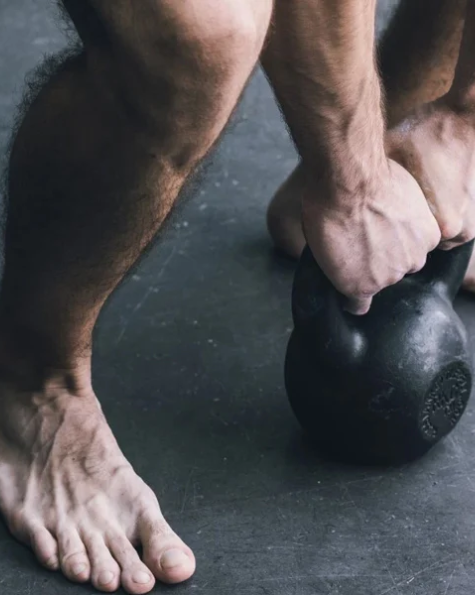
Why More Athletes Are Training Barefoot and Feeling the Difference
Ditching shoes can mean stronger feet and sharper balance, here’s how barefoot training is unlocking new performance.
See MoreRecent Blogs