How Microadventures Are Bringing Back the Joy of Everyday Wildness
Not every adventure has to be epic to be meaningful. In fact, some of the most soul-nourishing journeys begin right outside your front door. That’s the heart of microadventures, short, local, accessible escapes that offer the joy of exploration without the need for time off, plane tickets, or expensive gear. Born out of necessity and popularized by a growing craving for reconnection with nature, microadventures are changing how people view the outdoors. You can find magic in a backyard tent, a sunrise hike, or an unexpected walk to nowhere.
What Qualifies as a Microadventure and Why It Matters

A microadventure is any small-scale outdoor journey that breaks from your usual routine. It’s not about distance or duration, it`s about mindset. Sleeping on a hilltop after work, exploring a local creek with no map, or simply eating dinner outside under the stars can all qualify.
The concept was popularized by British adventurer Alastair Humphreys, who championed the idea of making adventure more accessible. He proposed sleeping in a bivvy bag near your house or walking home from work a different way just to feel the spark of unpredictability. At its core, a microadventure is about reawakening your inner explorer, no summit necessary.
The Mental Health Perks of Small Wild Experiences

Science supports what many instinctively know: time in nature heals. Researchers have found that even short periods outdoors can reduce rumination, the cycle of negative thinking that feeds anxiety and depression. Walking in green spaces boosts mood and memory, while fresh air improves sleep quality and immune function.
Unlike structured vacations, microadventures eliminate planning stress and financial strain. They offer the freedom to pause and be present, to hear your footsteps or feel the ground shift beneath you. These seemingly minor details help regulate the nervous system and reestablish a sense of peace in a chaotic world.
For those who feel disconnected or overwhelmed, a microadventure becomes more than a walk, it’s an act of self-restoration.
How to Plan One on a Tight Budget and Schedule

Start with what’s within reach. List every local park, nature preserve, public trail, or overlook. Use satellite maps to find green pockets in your city. Pick one. Then pick a time, tonight, tomorrow morning, or your next lunch break.
Backyard camping can be a surprisingly rich experience, especially with small comforts: a cozy blanket, fairy lights, a warm drink. Got kids? Turn it into a story night. Got roommates? Invite them to a moonlight tea.
No space at home? Find a quiet field or a trail bench where you can sit for 30 minutes uninterrupted. These solo adventure ideas aren’t about proving anything, they’re about giving yourself permission to wander without goals.
Add a layer of fun: try a sunset adventure, a new picnic spot, or even a late-night listening session in the dark. Let the planning be light, and the experience be full.
Real Examples of People Using Short Outdoor Escapes to Stay Grounded

Take Marisa, a software engineer in Seattle. Between Zoom calls and deadlines, she felt increasingly detached. She started ending her workdays with 20-minute forest walks in a nearby ravine, no headphones, no scrolling. Three months in, she says her anxiety is down and her creativity is up.
Then there’s Jorge, a high school math teacher who hosts a monthly backyard camping night for his neighborhood dads’ group. They share snacks, talk around a fire pit, and sleep under the stars, within cell range but emotionally a world away.
Even city dwellers find ways to sneak in small escapes. From parkour-inspired stair runs to lunch-hour river walks, these microadventures show up as therapy sessions without the therapist and often, they’re just as effective.
Why Microadventures Are Here to Stay

As more people search for peace outside of apps, the appeal of microadventures continues to grow. They offer a return to instinct, play, and simplicity in a world that often demands the opposite.
Whether you`re curious about gardening, river swims, or building your own list of microadventure ideas, these moments help us find home in our bodies, our neighborhoods, and our daily rhythms. So try it: pack a snack, lace your shoes, and find the wild in your ordinary. Adventure is waiting and it`s a lot closer than you think.
Seasonal Microadventures to Try Year-Round

Each season brings its own version of wild beauty, and microadventures offer a way to witness that up close. In the fall, there’s leaf-crunching hikes and sunset forest walks. Winter invites frosty breath and snow angels, even if it’s just in your local park. Spring calls for creek-hopping, first blooms, and that earthy smell that signals the world is waking up. And summer? That’s made for barefoot river walks, stargazing nights, and backyard tent ideas that turn an ordinary evening into a memory.
By anchoring yourself to the rhythms of the natural world—even in small, silly, or spontaneous ways, you build a life that feels more present, more embodied, and more connected.
Microadventures can be solo, but they don’t have to be lonely. In fact, inviting a friend or neighbor for a sunset adventure or a low-stakes walk through a local trail can spark a different kind of bond, one rooted in shared silence, curiosity, and wonder.
There’s no need for coordination apps or matching gear. Just a message: Want to explore this new trail? Want to have lunch by the lake instead of the café? These small invitations open the door to real connection, no filters, no performance, just presence. And if you’re someone who thrives in solitude, your microadventures can be an act of returning home to yourself. Either way, the wild is waiting.
For more on outdoors and fitness, follow Stravageek.
Related Blogs

Are DeerRun Walking Pads Worth Buying in 2026?
Walking pads have quickly become one of the most popular fitness solutions for people who want to stay active without leaving their homes. Among the many brands available today, DeerRun has gained attention for its affordable prices, compact designs, and user-friendly features.
See More
How the ASN Advanced Sports Nutrition Strength Bundle Can Support Your Training Goals
The ASN Strength Bundle is built to support strength, performance, and recovery, helping you get more from every training session. Ideal for athletes aiming to push harder and recover faster.
See More
Best Home Workout for Busy Women With No Time for the Gym
Staying fit doesn’t have to mean hours at the gym. If your day is packed with work, chores, or family, the 28-Day Pilates Challenge is the perfect way to exercise at home. All in just 15 minutes a day.
See More
Stay Fit at Home With DeerRun Treadmills
Running is one of the best things you can do for your body and soul. But getting to the gym or heading to the park isn’t always easy. That is why DeerRun treadmills are here to make your home workout as effective as a gym with more convenience.
See More
These Football Shirts from Unisportstore Deserve a Spot in Your Rotation
From bold colors to iconic prints, these football shirts from Unisportstore offer both performance and personality.
See More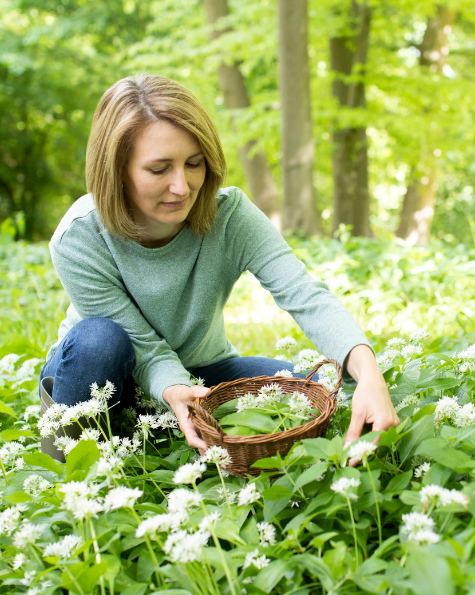
Why Foraging Is the Most Unexpected Outdoor Fitness Trend
Blending outdoor adventure with functional fitness, foraging helps people move with purpose and eat what they find.
See More
What Trail Running Does for Your Brain That Treadmills Never Could
Running through trees and over rocks may feel harder, but the neurological and emotional payoff is unmatched.
See More
Why More Athletes Are Training Barefoot and Feeling the Difference
Ditching shoes can mean stronger feet and sharper balance, here’s how barefoot training is unlocking new performance.
See MoreRecent Blogs