Related Blogs

Frishay Review 2024: The Ultimate Lifestyle & Home Upgrade Store
Explore our detailed Frishay review for 2024. Discover trending home essentials, clever lifestyle gadgets, and expert tips for a seamless online shopping experience.
See More
How the Woojer Strap 4 Made Me Feel Like I Was in the Movie
Watching a movie is usually all about what you see and hear, but what if you could feel every moment? That`s exactly what the Woojer Strap 4 promises. After trying it during a movie night, you will discover how wearable haptic technology can make every scene feel far more immersive than traditional audio alone.
See More
Doggie Playpens From FXW That Make Everyday Dog Life Feel Easier
A good playpen gives your dog room to relax while giving you fewer reasons to hover.
See More
The Growing Popularity of Strawberry HHC Flower
Strawberry HHC Flower has become a popular choice among hemp enthusiasts thanks to its sweet, fruity aroma and premium-quality buds. Whether you're new to HHC or simply want to learn more, understanding its features and flavor can help you make a better choice.
See More
How to Be a Smart Parent in the Digital Age
Parenting today comes with unique challenges as children grow up surrounded by screens, social media, and digital devices. Discover practical tips to help your kids build healthy technology habits while staying safe, balanced, and connected in the digital age.
See More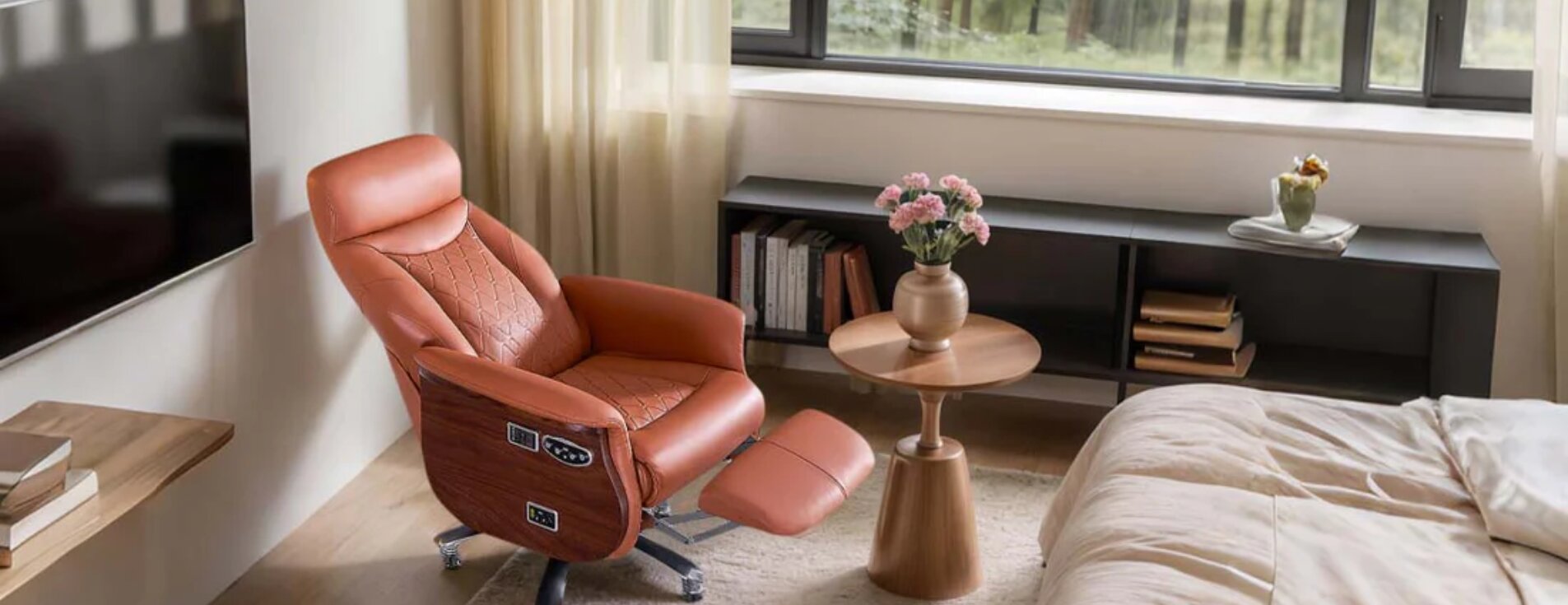
Best Massaging Desk Chair Picks for Comfort During Long Work Hours
Workdays that stretch on usually bring back pain, shoulder tightness, and constant discomfort. A massaging desk chair helps relieve that pressure so you can stay relaxed and more productive without constantly shifting in your seat.
See More
Everything You Need for a Coffee Shop Experience in Your Own Kitchen
Skip the lines and enjoy premium coffee from the comfort of your home. Learn how to recreate the atmosphere, quality, and experience of your favorite cafe while elevating your daily coffee ritual.
See More
How a Dog Playpen Gave Me Peace of Mind (and Kept My Dog Safe Every Day)
Discover how the FXW Dog Playpen helped keep my dog safe, happy, and entertained while I worked, making everyday life less stressful for both of us.
See MoreThe Loneliness Cure That Starts With a Walking Club
There’s a quiet movement happening in neighborhoods across the world, no screens, no pressure, no fancy memberships. Just people lacing up their shoes, stepping outside, and walking together.
It might sound simple, even old-fashioned. But as loneliness and disconnection quietly climb to epidemic levels, walking clubs are offering something radical: belonging. The beauty? You don’t need to be an athlete. You don’t need to love cardio. You just need to show up.
Why Walking Alone Isn’t Always Enough
There’s something undeniably soothing about a solo walk, time to process, breathe, and escape the noise. But even solitude has its limits. For millions, the emotional weight of modern life is heavy. Anxiety, burnout, and isolation have made daily connection harder to come by. Many report feeling like they have fewer close friends than ever. Others are surrounded by people and still feel profoundly alone.
That’s where the walking club steps in. Unlike therapy or structured classes, walking groups provide a low-stakes way to connect. There’s no need to perform or speak. You simply move, side by side. And in that motion, something shifts. Silence becomes comfortable. Small talk becomes meaningful. You belong just by showing up.
The Rise of Social Walking Groups
While neighborhood strolls have always existed, the past few years have sparked something new. In the wake of pandemic isolation, people began reaching for real community in grounded, accessible ways. And the simplicity of walking? It stuck.
Today, walking groups are growing fast from themed community meetups to casual weekly walks with neighbors. Some are organized via Facebook, WhatsApp, or wellness apps. Others come together organically, just from one person deciding to ask, “Want to go for a walk?”
Gen Z is leaning in, seeking relief from digital burnout. Older adults are re-engaging through structure and low-impact movement. Even in workplace wellness, companies are introducing “walking meetings” and end-of-day strolls to bring teams together. The appeal is universal: no gym clothes, no prep, no pressure. Just people, walking at the pace of conversation.
Mental and Emotional Benefits of Walking With Others
We already know the physical benefits of walking: improved heart health, digestion, mobility, and longevity. But when combined with connection, the emotional benefits become even more powerful.
Group walking creates a trifecta of wellness:
- Movement regulates your nervous system
- Fresh air increases serotonin levels
- Social contact boosts oxytocin and reduces cortisol
In fact, a study from the American Journal of Preventive Medicine found that individuals who engaged in group walks had lower rates of depression, improved quality of life, and decreased levels of stress compared to those walking alone or not walking at all.
People who walk together report feeling more hopeful, more focused, and less alone. And it’s not about pace or performance, it’s about presence.
Stories from Real Walking Club Participants
Ask anyone who’s part of a walking group, and they’ll likely say the same thing:
“I didn’t realize how much I needed this.” One woman joined a community walk while grieving the loss of a parent. She said those early days of simply walking in silence beside others gave her space to process without needing to talk.
A man who retired early due to burnout found that morning walking club meetups gave him back a sense of purpose and routine without the structure of work. A college student struggling with anxiety found a local walk through her university. The act of walking and sharing casually in a non-judgmental group helped her feel more grounded than any campus event ever had. These are stories of healing, not just fitness.
How to Start or Find a Walking Club Near You
If joining a group feels intimidating, start small. Ask one friend or neighbor to walk once a week. Keep it simple, no planning, no gear list. Just a time, a place, and the intention to show up.
If you`re looking to find an existing walking group, here’s where to start:
- Local Facebook groups or community pages
- Meetup.com or Eventbrite
- Community centers, wellness studios, or libraries
- Wellness-focused apps with social features like Strava or Nextdoor
Some national projects are also building strong walking networks:
- GirlTrek: focused on wellness walks for Black women
- Mental Health Mates: safe spaces for those navigating mental illness
- Walk With a Doc: where health professionals lead community strolls
No matter your city, there’s likely a group forming or ready to be formed. And if none exist, you may be just the person to start one.
Why Walking Clubs Are Especially Healing Right Now
In a culture driven by hustle, algorithms, and isolation, walking in a group feels radical. There’s no leaderboard. No calorie count. Just people moving together, outside, without pressure. It also provides something structure-based routines often lack: emotional safety. You don’t have to share your story to feel supported. You just show up and walk.
For those asking how to improve your mental health in a sustainable way, walking clubs offer a deeply accessible option. They require nothing but time and openness and return so much in terms of stability, support, and connection.
They’ve also been shown to reduce loneliness across age brackets. For teens? It offers screen-free connection. For parents? A low-effort form of self-care. For retirees? Renewed purpose and community.
Sometimes the things that change us most aren’t grand or intense, they’re rhythmic, small, and deeply human. Walking in a group does just that. It rewires how we think about health not as something we have to chase or perform, but something we experience in community, in motion, and in nature. And maybe most importantly: it’s free. You don’t need a subscription. You don’t need to track your steps. You don’t even need matching shoes. You just need to take the first one.
Follow Stravageek for more on Outdoors, sports and fitness.
Recent Blogs