The Surprisingly Therapeutic Power of Gardening for Sporty People
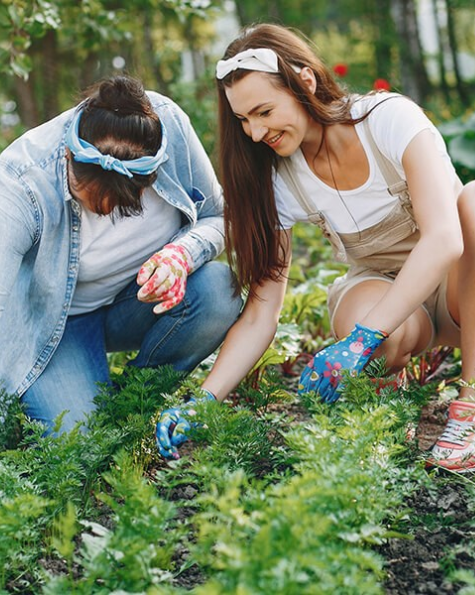
There’s something undeniably healing about getting your hands dirty, literally. For athletes, gym-goers, and active people alike, gardening is quickly becoming more than just a hobby. It’s a way to slow down, stretch out, and still stay physically engaged. And surprisingly, it’s also incredibly good for the body, brain, and nervous system. Turns out, gardening is a good exercise, and more than a few runners, lifters, and yogis are realizing it’s the recovery ritual they didn’t know they needed.
Gardening as a Legit Form of Movement
Don’t let the trowel fool you, gardening for fitness is the real deal. Think about it: squatting, lifting, carrying, pulling, pushing, reaching, it’s practically a functional movement circuit disguised as relaxation.
Mobility and Joint Health
Unlike the repetitive, often linear motions in sport, yard working engages muscles in a dynamic and organic way. Digging involves core rotation. Pulling weeds calls for grip strength. Watering with a can builds shoulder mobility. These low-load, high-movement patterns support joint health, stability, and body awareness without the burnout that sometimes follows more intense training.
Calories Burned (Yes, Really)
So, how many calories do I burn gardening? The answer depends on the task, but it's more than you might think. Light yard work burns around 200–400 calories per hour, and heavier work like digging or raking can climb to 600+. That’s not far off from a gentle spin class or a brisk hike.
And if you’ve ever wondered about the health benefits of mowing the lawn, good news, pushing a manual mower not only strengthens your quads and glutes, it also supports cardiovascular health. It's all movement, just under the radar.
Why Athletes Need Mental Stillness Too
Fitness culture often glorifies the push, the hustle, the “go harder” mentality. But what about slowing down? What about calm?
Athletes know that recovery isn’t just about rest, it’s about balance. The nervous system needs regulation, especially after repeated stress. That’s where garden therapy shines.
Movement That Grounds You
Gardening invites a rhythm that’s almost meditative. You move slowly. You focus on textures, smells, tiny details. You connect with nature, not a screen. For athletes used to performance-based goals, this shift can be surprisingly emotional. It’s movement for the sake of presence, not progress.
Soil and Sunlight: Nature’s Mental Reset
We talk a lot about “fresh air” being good for you, but gardening adds another layer, soil exposure. Yes, really.
Microbes and Mood
Digging into soil exposes you to naturally occurring microorganisms like Mycobacterium vaccae, which have been shown to increase serotonin levels in the brain. That’s the same brain chemical targeted by many antidepressants. No wonder gardeners often describe their time outside as peaceful, calming, or restorative, it literally is.
Light and Regulation
Add in sunlight, and now you’re getting natural boosts of vitamin D, better circadian rhythm regulation, and improvements in sleep quality. The result? Higher mood, more stable energy, and a body that feels more “in tune.”
This is where gardening starts to rival even yoga or meditation. It’s tactile. It’s real. And for sporty types who struggle with traditional stillness, it offers a way into calm without feeling passive.
Why Gardening Works for Performance-Oriented People
Athletes often struggle to not do. Even on rest days, there’s a pull to optimize, to achieve. Gardening meets that need but with softness.
You’re still tending, still shaping, still improving. But there’s no stopwatch. No leaderboard. Just growth, quiet, patient, and deeply fulfilling.
Stories of Active People Finding Their Calm Through Gardening
A former triathlete now swears by horticultural therapy after burnout. After years of structured training, she found the rhythm of gardening helped her reconnect with her body in a gentler way.
One weightlifter took up container gardening during injury recovery. What started as boredom bloomed into something healing. “It gave me something to nurture when I couldn’t train. It made me feel useful.”
And an amateur soccer coach started a backyard pollinator garden with his daughter. The act of planting and tending together became their wind-down ritual after long practice days, a shared, grounded form of decompression.
How to Start Gardening If You’re a Total Beginner
The best part? You don’t need acres of land or a full greenhouse setup. You don’t even need a yard.
Start Simple
-
Balcony or window box: Great for herbs and small veggies like cherry tomatoes
-
Raised bed: Ideal if you want a few square feet to play with (and no bending over)
-
Community garden: A way to share space and tools while learning from others
If you’re worried about maintenance, start with low-effort plants like kale, mint, or radishes. They're fast-growing, forgiving, and gratifying.
Gear Essentials (But Keep It Simple)
You’ll need:
-
A trowel
-
Watering can or hose
-
Gloves (if you prefer not to get too dirty)
But honestly? You can start with your hands, a reused container, and some dirt. That’s the magic.
Blending Gardening With Active Recovery
Some athletes are now treating gardening as active recovery, doing 20–30 minutes post-run or on a rest day to flush the system and regulate stress. It provides light movement, flexibility training, and grounding, all in one.
And don’t underestimate the calories burned landscaping, especially for more intensive sessions like hauling mulch, planting shrubs, or building garden beds. It’s slow strength training, disguised as leisure.
For active people always on the go, gardening offers something rare, a form of movement that gives more than it takes. You move. You sweat. But you also slow down. You breathe deeper. You watch things grow not because you forced them to, but because you gave them space. Turns out, your yard working might be the recovery session your body actually needed. No timer. No metrics. Just hands in the soil, sun on your back, and a nervous system finally exhaling.
Follow Stravageek for more wellness routines that nurture performance and peace.
Related Blogs

Frishay Review 2024: The Ultimate Lifestyle & Home Upgrade Store
Explore our detailed Frishay review for 2024. Discover trending home essentials, clever lifestyle gadgets, and expert tips for a seamless online shopping experience.
See More
How the Woojer Strap 4 Made Me Feel Like I Was in the Movie
Watching a movie is usually all about what you see and hear, but what if you could feel every moment? That`s exactly what the Woojer Strap 4 promises. After trying it during a movie night, you will discover how wearable haptic technology can make every scene feel far more immersive than traditional audio alone.
See More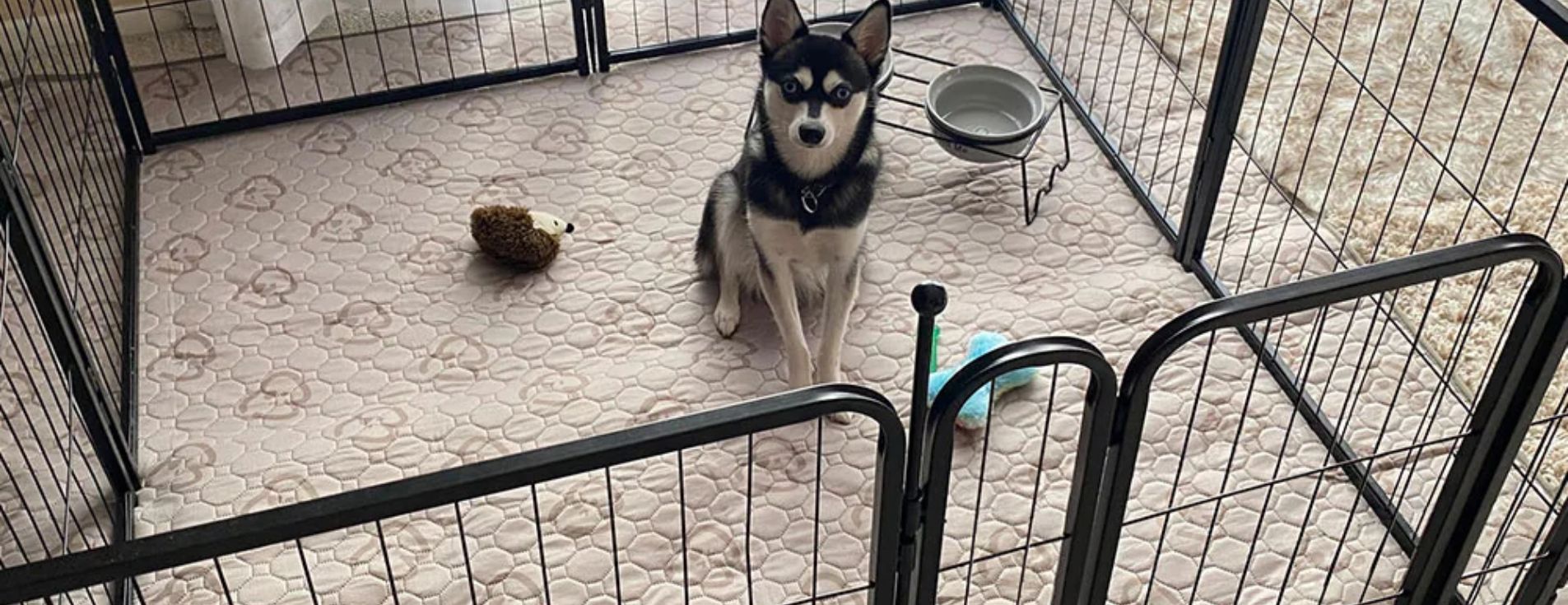
Doggie Playpens From FXW That Make Everyday Dog Life Feel Easier
A good playpen gives your dog room to relax while giving you fewer reasons to hover.
See More
The Growing Popularity of Strawberry HHC Flower
Strawberry HHC Flower has become a popular choice among hemp enthusiasts thanks to its sweet, fruity aroma and premium-quality buds. Whether you're new to HHC or simply want to learn more, understanding its features and flavor can help you make a better choice.
See More
How to Be a Smart Parent in the Digital Age
Parenting today comes with unique challenges as children grow up surrounded by screens, social media, and digital devices. Discover practical tips to help your kids build healthy technology habits while staying safe, balanced, and connected in the digital age.
See More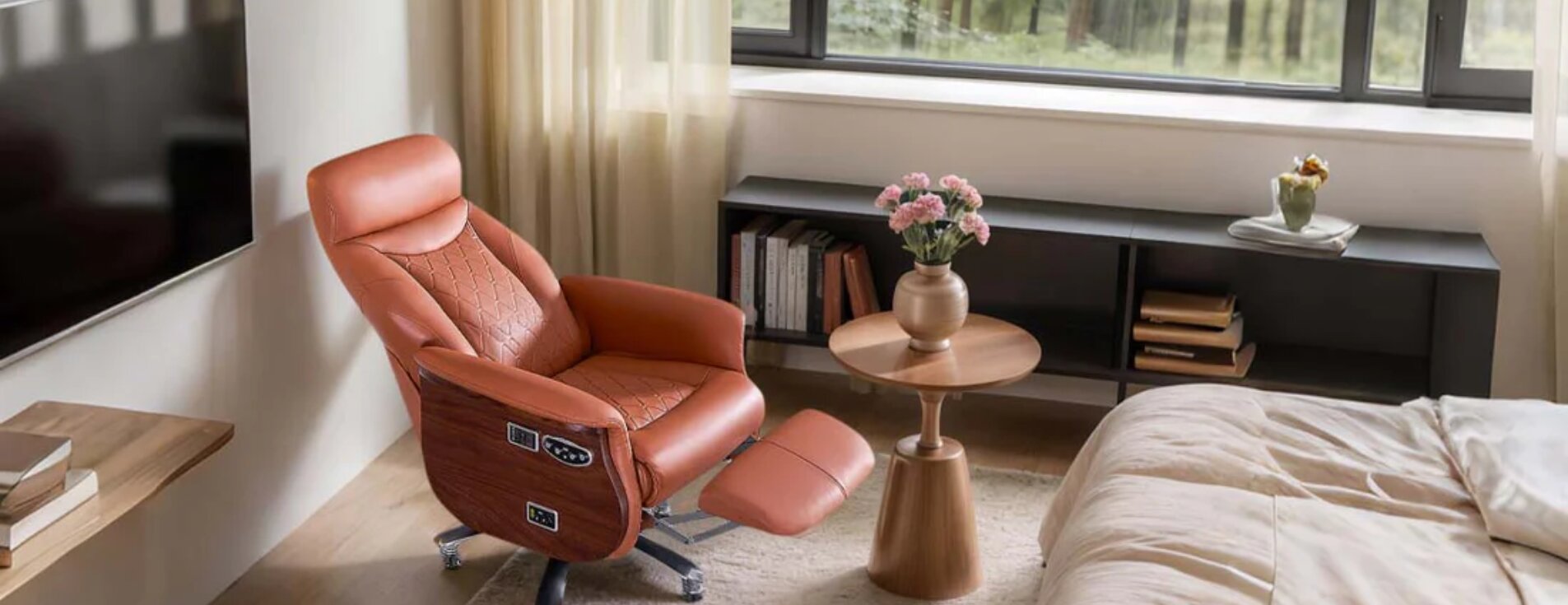
Best Massaging Desk Chair Picks for Comfort During Long Work Hours
Workdays that stretch on usually bring back pain, shoulder tightness, and constant discomfort. A massaging desk chair helps relieve that pressure so you can stay relaxed and more productive without constantly shifting in your seat.
See More
Everything You Need for a Coffee Shop Experience in Your Own Kitchen
Skip the lines and enjoy premium coffee from the comfort of your home. Learn how to recreate the atmosphere, quality, and experience of your favorite cafe while elevating your daily coffee ritual.
See More
How a Dog Playpen Gave Me Peace of Mind (and Kept My Dog Safe Every Day)
Discover how the FXW Dog Playpen helped keep my dog safe, happy, and entertained while I worked, making everyday life less stressful for both of us.
See MoreRecent Blogs