How to Use the Rhino USA Tire Repair Kit for Easy Tire Repairs
A flat tire on the road can instantly disrupt your plans, particularly when you are far from help or in a hurry. In these situations, having a reliable tire repair kit can make all the difference between being stuck and getting back on your way quickly.
The Rhino USA tire repair kit is designed for exactly these moments which gives you a simple way to handle punctures without any assistance. In this guide, you’ll learn how to use a tire repair kit step by step so you can confidently fix a flat and continue your journey.
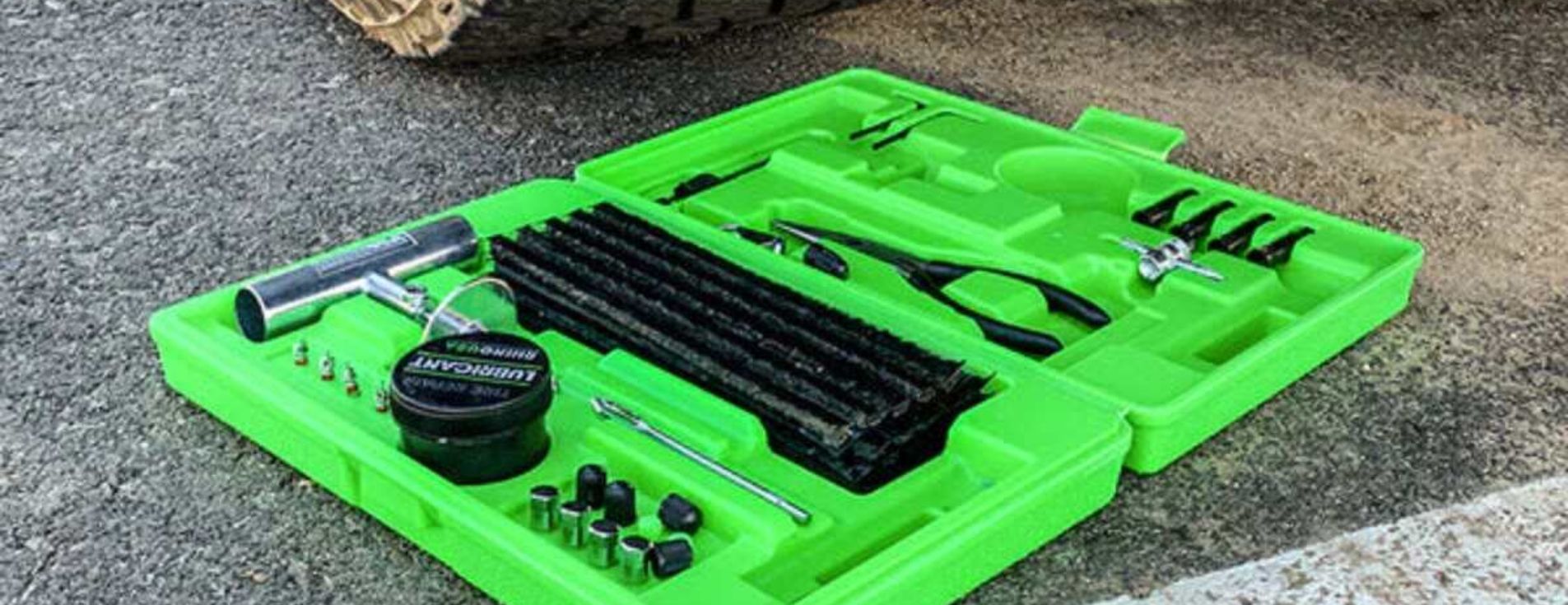
What’s Inside the Rhino USA 14-Piece Tire Repair Kit
Before using this Rhino USA repair kit, it`s worth taking a quick look at what`s included inside the case. Everything is stored in one compact case, making it easy to keep in your vehicle and ready when you need it.
The kit comes with the essential components needed for roadside tire repairs, including:
-
T-Handle Insertion Tool
-
T-Handle Rasp Tool
-
Tire Repair Plugs
-
Rubber Cement
-
Razor Blades
-
Plug Storage Tube
-
Compact Storage Case
-
Instruction Guide
Step-by-Step Guide on Using the Tire Repair Kit
Using this repair kit is straightforward once you understand the process. Following these steps carefully will help you seal the puncture and get back on the road safely.
Identify and Locate the Tire Puncture
Inspect the tire and find the source of the leak, whether it`s a nail, screw, or other piece of road debris. Leave the object in place until you`re ready to begin the repair.
Remove the Object and Deflate Slightly if Needed
Carefully remove the object causing the puncture using pliers or a similar tool. If necessary, let out a small amount of air to make the repair process easier to manage.
Clean and Prepare the Hole Using the Reamer Tool
Insert the rasp tool into the puncture and move it in and out while twisting. This helps clean the hole and prepares it to securely hold the repair plug.
.webp)
Insert the Repair Plug Into the T-Handle Tool
Thread a repair plug through the eye of the insertion tool until both ends are even. Apply a small amount of rubber cement to the plug for smoother installation.
Insert the Plug Into the Tire
Push the loaded insertion tool firmly into the puncture until most of the plug is inside the tire. Pull the tool straight out while leaving the plug lodged in the hole.
Trim Excess Plug Material
Use one of the included razor blades to trim the excess plug material. Leave it nearly flush with the tire tread to avoid unnecessary wear.
Reinflate and Check Air Pressure
Refill the tire to the recommended PSI using an inflator or air compressor. Once inflated, check for any signs of escaping air around the repaired area.
Drive Carefully and Monitor the Repair
After the repair is complete, continue driving cautiously and keep an eye on tire pressure. Schedule a professional inspection if needed, especially before longer trips.
Important Safety Tips on Using the Repair Kit
A tire repair kit can be an effective roadside solution, but using it correctly is important for both safety and repair success. Keep these considerations in mind before attempting any tire repair.
-
Only use a tire repair kit on tubeless tires.
-
Do not attempt to repair punctures located on the tire sidewall.
-
Avoid enlarging the puncture more than necessary during preparation.
-
Check and restore proper tire pressure after completing the repair.
-
Treat the repair as a temporary solution until the tire can be professionally inspected.
When to Avoid Using the Repair Kit
Not every puncture can be safely handled with a roadside plug solution. In some situations, attempting a repair can be ineffective or even unsafe, making professional service the better option.
If any of these conditions are present, replace the tire or have it inspected by a qualified tire professional before continuing to drive.
-
Sidewall punctures or tire blowouts.
-
Severely damaged, shredded, or torn tires.
-
Large cuts, gashes, or holes in the tread area.
-
Multiple punctures located close together.
-
Tires with previous failed or improper repairs.
-
Structural damage that affects the tire`s integrity.
FAQs
What Is a Tire Plug Kit Used For?
A tire plug kit is used to seal small punctures in tubeless tires caused by nails or screws. It helps create a temporary roadside fix so you can safely reach a repair shop.
How Accurate Is a Tire Pressure Gauge?
A tire pressure gauge provides a quick reading of your tire’s air pressure to help maintain safe driving conditions. Regular checks help improve tire life, fuel efficiency, and road safety.
Can Ratchet Straps Be Used for Tire-related Fixes?
Ratchet straps are not used for repairing tires, but they help secure loads and gear during transport. They are often used alongside emergency or off-road setups for added safety.
What Is the Difference Between a Tire Gauge and a Tire Pressure Gauge?
A tire gauge and a tire pressure gauge are the same tool used to measure air pressure inside tires. It ensures your tires are inflated to the correct PSI for safe driving.
Are ATV Accessories Compatible with Tire Repair Kits?
ATV accessories often work alongside tire repair kits for off-road riding emergencies. Many riders carry both to handle punctures and secure equipment during trips.
A flat tire on the road doesn’t have to turn into a stressful delay or an expensive tow. With a reliable roadside repair kit, you get a simple and practical way to handle unexpected punctures and keep your journey moving.
While it’s not a replacement for professional tire service, it’s a dependable emergency solution that can make a real difference when timing matters most. For added savings, various Rhino USA discounts code let you stay prepared without overpaying.
Stay tuned to StravaGeek for more simple, practical guides to keep you road-ready and prepared.
Related Blogs

Frishay Review 2024: The Ultimate Lifestyle & Home Upgrade Store
Explore our detailed Frishay review for 2024. Discover trending home essentials, clever lifestyle gadgets, and expert tips for a seamless online shopping experience.
See More
How the Woojer Strap 4 Made Me Feel Like I Was in the Movie
Watching a movie is usually all about what you see and hear, but what if you could feel every moment? That`s exactly what the Woojer Strap 4 promises. After trying it during a movie night, you will discover how wearable haptic technology can make every scene feel far more immersive than traditional audio alone.
See More
Doggie Playpens From FXW That Make Everyday Dog Life Feel Easier
A good playpen gives your dog room to relax while giving you fewer reasons to hover.
See More
The Growing Popularity of Strawberry HHC Flower
Strawberry HHC Flower has become a popular choice among hemp enthusiasts thanks to its sweet, fruity aroma and premium-quality buds. Whether you're new to HHC or simply want to learn more, understanding its features and flavor can help you make a better choice.
See More
How to Be a Smart Parent in the Digital Age
Parenting today comes with unique challenges as children grow up surrounded by screens, social media, and digital devices. Discover practical tips to help your kids build healthy technology habits while staying safe, balanced, and connected in the digital age.
See More
Best Massaging Desk Chair Picks for Comfort During Long Work Hours
Workdays that stretch on usually bring back pain, shoulder tightness, and constant discomfort. A massaging desk chair helps relieve that pressure so you can stay relaxed and more productive without constantly shifting in your seat.
See More
Everything You Need for a Coffee Shop Experience in Your Own Kitchen
Skip the lines and enjoy premium coffee from the comfort of your home. Learn how to recreate the atmosphere, quality, and experience of your favorite cafe while elevating your daily coffee ritual.
See More
How a Dog Playpen Gave Me Peace of Mind (and Kept My Dog Safe Every Day)
Discover how the FXW Dog Playpen helped keep my dog safe, happy, and entertained while I worked, making everyday life less stressful for both of us.
See MoreRecent Blogs