
How to Be a Smart Parent in the Digital Age
Parenting has never been easy, but raising children in today`s technology-driven world presents challenges that previous generations never had to face. Smartphones, social media, online gaming, streaming platforms, and artificial intelligence have become part of everyday life. While these tools offer incredible opportunities for learning and connection, they also bring concerns about screen time, online safety, cyberbullying, and digital addiction.
Being a smart parent in the digital age isn`t about banning technology or monitoring every click your child makes. Instead, it`s about guiding children to develop healthy habits, critical thinking skills, and responsible online behavior that will serve them throughout their lives.
Here are some practical ways parents can confidently navigate modern parenting while helping their children thrive in both the digital and real world.
1. Start With Open Communication
The foundation of smart digital parenting is trust. Children are more likely to come to you when they encounter problems online if they know they won`t be judged or immediately punished.
Make conversations about technology a regular part of family life. Ask questions about the apps they use, the games they play, and the content creators they follow. Show genuine interest in their online world rather than treating technology as something negative.
When children feel comfortable discussing their digital experiences, parents gain valuable insight into potential risks while building stronger relationships. Despite the hectic hours at work, having a quality time over dinner can be a good start to open conversation. Parents who aren`t able to do so, must try this.

2. Teach Digital Responsibility Early
Just as children learn manners, safety rules, and responsibility in everyday life, they should also learn how to behave responsibly online.
Teach them that everything they post can leave a digital footprint. Encourage them to think before sharing personal information, photos, or comments. Help them understand that online actions can have real-world consequences.
-
Some topics that can be addressed:
-
Respecting others online
-
Identifying misinformation
-
Protecting personal information
-
Recognizing scams and suspicious links
-
Understanding privacy settings
The earlier these lessons begin, the more naturally responsible digital behavior becomes.
3. Create Healthy Screen Time Habits
Technology itself isn`t the problem. The issue often arises when screen time begins replacing essential activities such as sleep, physical exercise, family interaction, and schoolwork.
Instead of focusing solely on screen limits, consider creating healthy technology routines.
Somethings every parent should try:
-
Keep devices out of bedrooms at night.
-
Establish tech-free family meals.
-
Encourage outdoor activities and hobbies.
-
Designate specific times for homework and recreation.
-
Model healthy technology use yourself.
Keep a balance between your on and off the screen time. Children learn more from what parents do than what they say. If parents spend every free moment on their phones, children are likely to follow the same pattern.
Mahatma Gandhi once said:
"Be the chnage you wish to see in the world."
4. Stay Informed About the Digital World
You don`t need to become a technology expert, but understanding the platforms your children use can help you make informed decisions.
Social media trends, gaming communities, messaging apps, and new technologies evolve quickly. Staying informed allows you to recognize potential risks while also appreciating the benefits these platforms offer.
Spend some time exploring the apps your children use. Understand how privacy settings work and familiarize yourself with common online challenges that young people face.
5. Use Technology as a Parenting Tool
Modern technology can also support positive parenting when used thoughtfully.
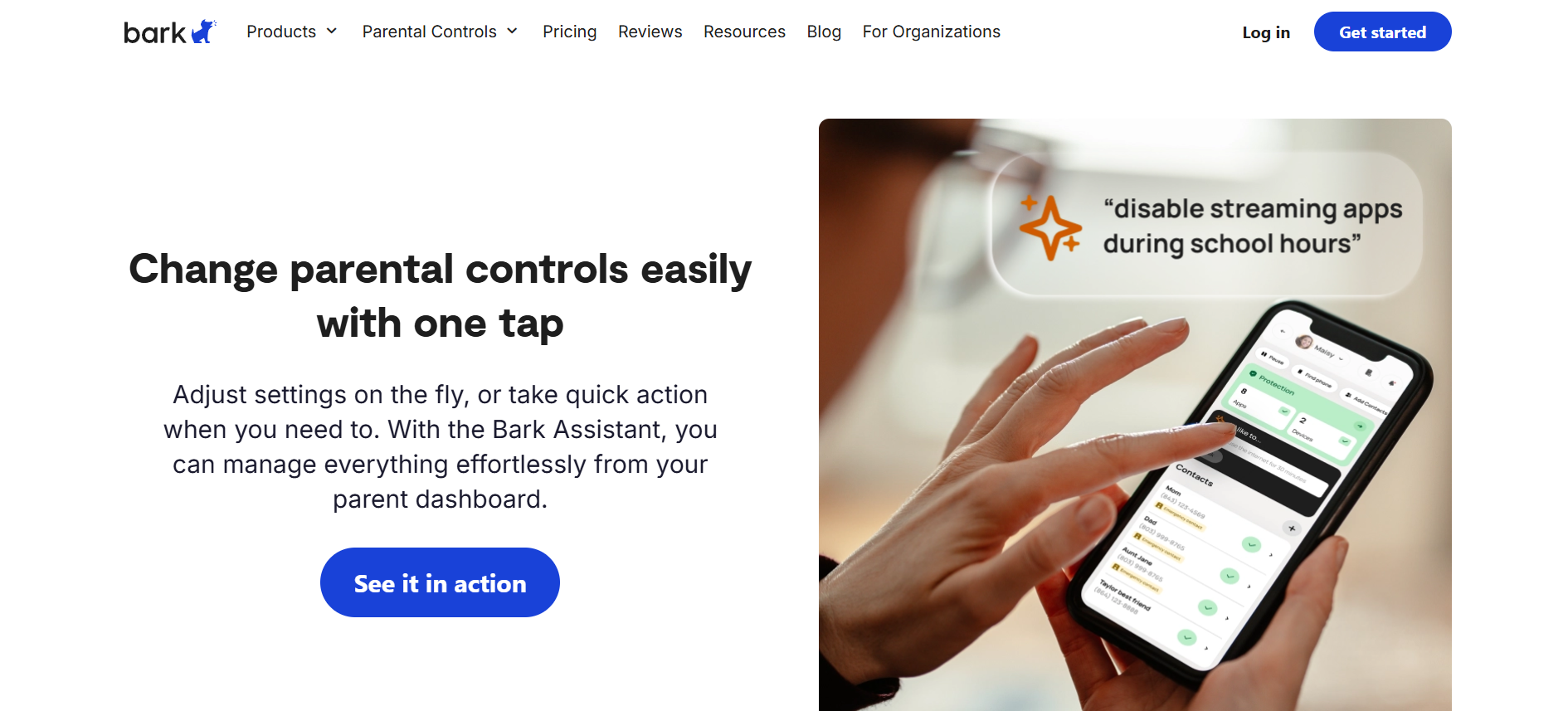
Many parents use parental control and monitoring tools to help younger children navigate the internet safely. These tools can provide visibility into online activity while helping families establish appropriate boundaries.
For example, services such as Bark help parents monitor potential online safety concerns, including cyberbullying, inappropriate content, and risky online interactions. However, tools like these should complement open communication and not replace it.
Technology works best when it supports healthy parenting rather than becoming a substitute for engagement and conversation.
Being a smart parent in the digital age isn`t about controlling every aspect of your child`s online life. It`s about providing guidance, building trust, and helping them develop the skills needed to use technology responsibly.
The digital world will continue to evolve, but the principles of effective parenting remain the same: stay involved, stay informed, and stay connected. When children know they have supportive parents they can turn to, they`re better equipped to navigate both the online and offline challenges of modern life.
Follow StravaGeek for more guides, reviews, tips, and expert advice to help you get the most out of your experience.
Related Blogs

Best TA3 Swimwear Picks for Sculpting and Support
Explore the best TA3 swimwear for sculpting and support, including Plungey, Surfy, Bombshell, and Brazilian styles with varied cup sizes, coverage, and torso lengths.
See More
Frishay Review 2024: The Ultimate Lifestyle & Home Upgrade Store
Explore our detailed Frishay review for 2024. Discover trending home essentials, clever lifestyle gadgets, and expert tips for a seamless online shopping experience.
See More
How the Woojer Strap 4 Made Me Feel Like I Was in the Movie
Watching a movie is usually all about what you see and hear, but what if you could feel every moment? That`s exactly what the Woojer Strap 4 promises. After trying it during a movie night, you will discover how wearable haptic technology can make every scene feel far more immersive than traditional audio alone.
See More
Doggie Playpens From FXW That Make Everyday Dog Life Feel Easier
A good playpen gives your dog room to relax while giving you fewer reasons to hover.
See More
The Growing Popularity of Strawberry HHC Flower
Strawberry HHC Flower has become a popular choice among hemp enthusiasts thanks to its sweet, fruity aroma and premium-quality buds. Whether you're new to HHC or simply want to learn more, understanding its features and flavor can help you make a better choice.
See More
Best Massaging Desk Chair Picks for Comfort During Long Work Hours
Workdays that stretch on usually bring back pain, shoulder tightness, and constant discomfort. A massaging desk chair helps relieve that pressure so you can stay relaxed and more productive without constantly shifting in your seat.
See More
Everything You Need for a Coffee Shop Experience in Your Own Kitchen
Skip the lines and enjoy premium coffee from the comfort of your home. Learn how to recreate the atmosphere, quality, and experience of your favorite cafe while elevating your daily coffee ritual.
See More
How a Dog Playpen Gave Me Peace of Mind (and Kept My Dog Safe Every Day)
Discover how the FXW Dog Playpen helped keep my dog safe, happy, and entertained while I worked, making everyday life less stressful for both of us.
See MoreRecent Blogs